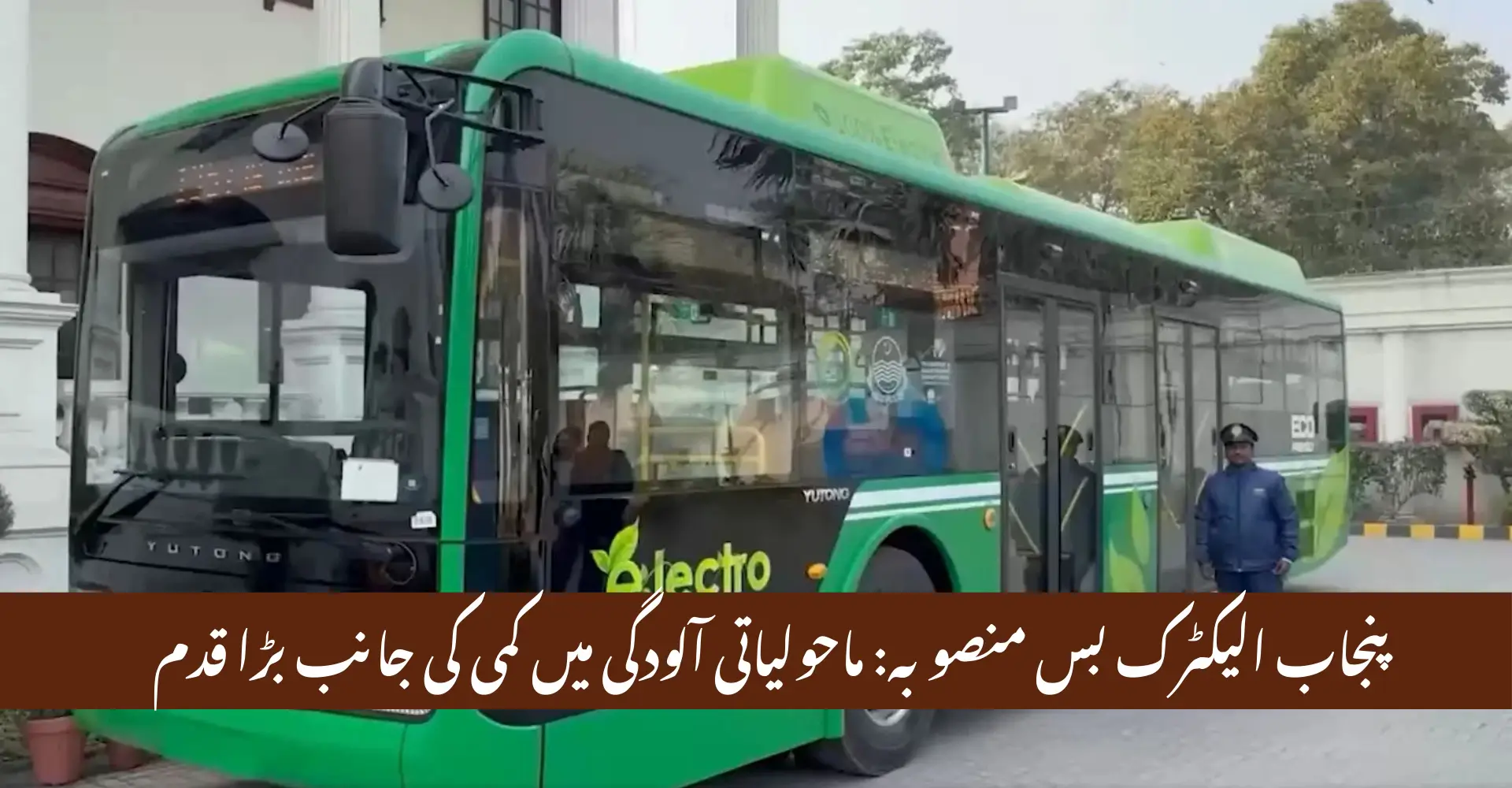
Punjab Electric Shift. Punjab’s public transport system is entering a new era. With rising smog levels, fuel costs, and urban congestion, the Punjab Electric Shift 2026 introduces 200 new electric eco-buses to modernize mobility across 10 cities.
This initiative answers a simple but critical question: Can public transport be clean, affordable, and reliable at the same time?

What Is the Punjab Electric Shift 2026?
The Punjab Electric Shift is a government-led green mobility initiative aimed at replacing diesel-based public transport with electric buses (EV buses). Unlike traditional upgrades, this project focuses on sustainability, digital integration, and long-term economic savings.
Key Objectives
- Reduce urban air pollution and smog
- Lower fuel import dependency
- Provide affordable and dignified public transport
- Support smart city infrastructure development
“Punjab mein bijli se chalne wali buson ka naya daur shuru ho chuka hai.”
Launch Timeline and Rollout Plan
The official rollout is scheduled for December 19, marking the second phase of Punjab’s green transport strategy.
Phase-Wise Implementation
- Phase 1: Fleet deployment and route finalization
- Phase 2: Charging infrastructure and depots
- Phase 3: Digital ticketing and app integration
This phased approach ensures minimal disruption and maximum efficiency.
10 Cities Benefiting from Electric Eco-Buses
Unlike previous projects focused mainly on Lahore, this expansion covers diverse regions of Punjab.

Northern & Central Punjab
- Rawalpindi
- Chakwal
- Jhelum
- Gujar Khan
Southern & Western Punjab
- Bahawalpur
- Rahim Yar Khan
- Rajanpur
- Bahawalnagar
- Jhang
- Toba Tek Singh
This inclusivity ensures equal access to modern transport, even in smaller districts.
Infrastructure Supporting the Electric Bus Network
Electric buses require more than just vehicles. Punjab is developing a support ecosystem.
Charging & Operations
- Fast-charging stations at depots
- Dedicated EV lanes in high-traffic zones
- Centralized monitoring systems
Digital Integration
- GPS-enabled fleet tracking
- Mobile app for real-time bus locations
- Smart ticketing and cashless payments
These upgrades position Punjab closer to global smart city standards.
Economic Impact: Saving Fuel and Public Funds
One of the strongest arguments for the Punjab Electric Shift is cost efficiency.
Electric vs Diesel Buses (Comparison Table)
| Feature | Diesel Buses | Electric Buses |
|---|---|---|
| Fuel Cost | High & unstable | Low & predictable |
| Maintenance | Frequent repairs | Fewer moving parts |
| Emissions | CO₂ & smoke | Zero tailpipe emissions |
| Noise | Loud engines | Quiet operation |
Why It Matters
- Reduced diesel imports save foreign exchange
- Lower maintenance keeps fares affordable
- Government subsidies decrease over time
This creates a self-sustaining transport model.

Environmental Benefits: Fighting Smog in Punjab
Smog has become a recurring health crisis in Punjab, especially during winter.
How Electric Buses Help
- Zero tailpipe emissions
- Reduced carbon footprint
- Improved urban air quality
Each electric bus prevents tons of CO₂ and particulate matter from entering the atmosphere annually.
Noise Pollution Reduction
Electric motors operate quietly, making city centers less stressful and more livable.
Passenger Experience: Public Transport, Reimagined
The goal is not just clean transport but better transport.
Onboard Features
- Fully air-conditioned interiors
- Low-floor design with ramps
- Dedicated spaces for elderly and differently-abled
- CCTV surveillance and GPS security
These features encourage people to shift from private vehicles to public transport, reducing congestion.

Role in Punjab’s Smart City Vision
The Punjab Electric Shift supports broader urban digital transformation.
Smart Mobility Integration
- Real-time route tracking
- Data-driven scheduling
- Encouragement for private EV investments
As charging stations become common, EV adoption across Punjab accelerates.
Social Impact: Mobility as an Equalizer
Reliable transport connects people to education, jobs, and healthcare.
For:
- A student in Bahawalpur
- A laborer in Rajanpur
- An office worker in Rawalpindi
Affordable transport becomes a bridge to opportunity, not a daily struggle.

Challenges and Long-Term Sustainability
No transformation is without challenges.
Potential Issues
- Initial infrastructure costs
- Battery lifecycle management
- Skilled workforce training
Government Strategy
- Public-private partnerships
- Gradual fleet expansion
- Local technical training programs
These steps ensure long-term viability.
FAQs
What is the Punjab Electric Shift 2026?
It is a green mobility initiative introducing 200 electric buses across 10 Punjab cities to modernize public transport.
Which cities will get electric buses in Punjab?
Cities include Rawalpindi, Bahawalpur, Jhelum, Rahim Yar Khan, Rajanpur, Jhang, and others.
When will electric buses start operating?
The official launch is scheduled for December 19.
Are electric buses cheaper than diesel buses?
Yes. Electric buses have lower fuel and maintenance costs, making them more economical long-term.
How do electric buses help reduce smog?
They produce zero tailpipe emissions, directly reducing air pollution and carbon output.
Conclusion
The Punjab Electric Shift 2026 is more than a transport upgrade it’s a statement of intent. By prioritizing clean energy, digital systems, and inclusive mobility, Punjab is redefining urban travel standards.
As these 200 eco-buses hit the roads, clean air and modern commuting move closer to becoming a daily reality rather than a distant goal.