Pakistan $13 Billion Defence Deals To Boost Economy. Pakistan is entering a rare economic phase where defence exports may drive growth.
A new report reveals $13 billion in confirmed and potential defence deals that could strengthen reserves, exports, and GDP after 2026.
This article explains how and why Pakistan’s defence industry could transform the economy in the coming years.

Pakistan Defence Deals 2026
A recent analysis by KASB Securities highlights a major shift in Pakistan’s economic outlook.
According to the report, Pakistan’s defence export pipeline between 2026 and 2030 has already crossed double-digit billion dollars.
These are not projections alone. Many deals are tracked, negotiated, or partially finalized.
Why This Matters Now
Pakistan has traditionally relied on textiles and agriculture for exports.
Defence exports change the structure entirely by introducing:
- High-value manufacturing
- Long-term contracts
- Dollar-denominated earnings
- Technology transfer
This makes defence exports more stable than seasonal industries.
Operation Bunyan-e-Marsous and Diplomatic Gains
The report links growing defence demand to improved diplomacy after Operation Bunyan-e-Marsous.
Pakistan’s operational performance strengthened its:

- Military credibility
- Strategic trust with allies
- Defence-to-defence diplomacy
This shift turned diplomatic goodwill into export-driven defence agreements.
Countries now see Pakistan as both a supplier and strategic partner, not just a buyer.
$13 Billion Defence Deals and Economic Impact
Key Economic Indicators Impact
If these deals materialize fully, the report estimates:
| Economic Indicator | Expected Impact |
|---|---|
| Foreign Exchange Reserves | +82% increase |
| Defence Exports Share | 3.7% of GDP |
| Export Target Support | $60B by 2029 |
| Manufacturing Growth | High-value expansion |
This aligns directly with Uraan Pakistan, the government’s export-led growth framework.
Pakistan’s Defence Export Product Range
Pakistan’s defence industry is no longer limited to basic weapons.
Exports now cover a complete spectrum.
Major Export Categories
- Fighter aircraft
- Naval vessels
- Armoured vehicles
- Drones and unmanned systems
- Precision-guided munitions
These products mainly target Asia, Africa, and the Middle East, where cost-effective and combat-tested systems are in demand.

JF-17 Thunder: Pakistan’s Star Export
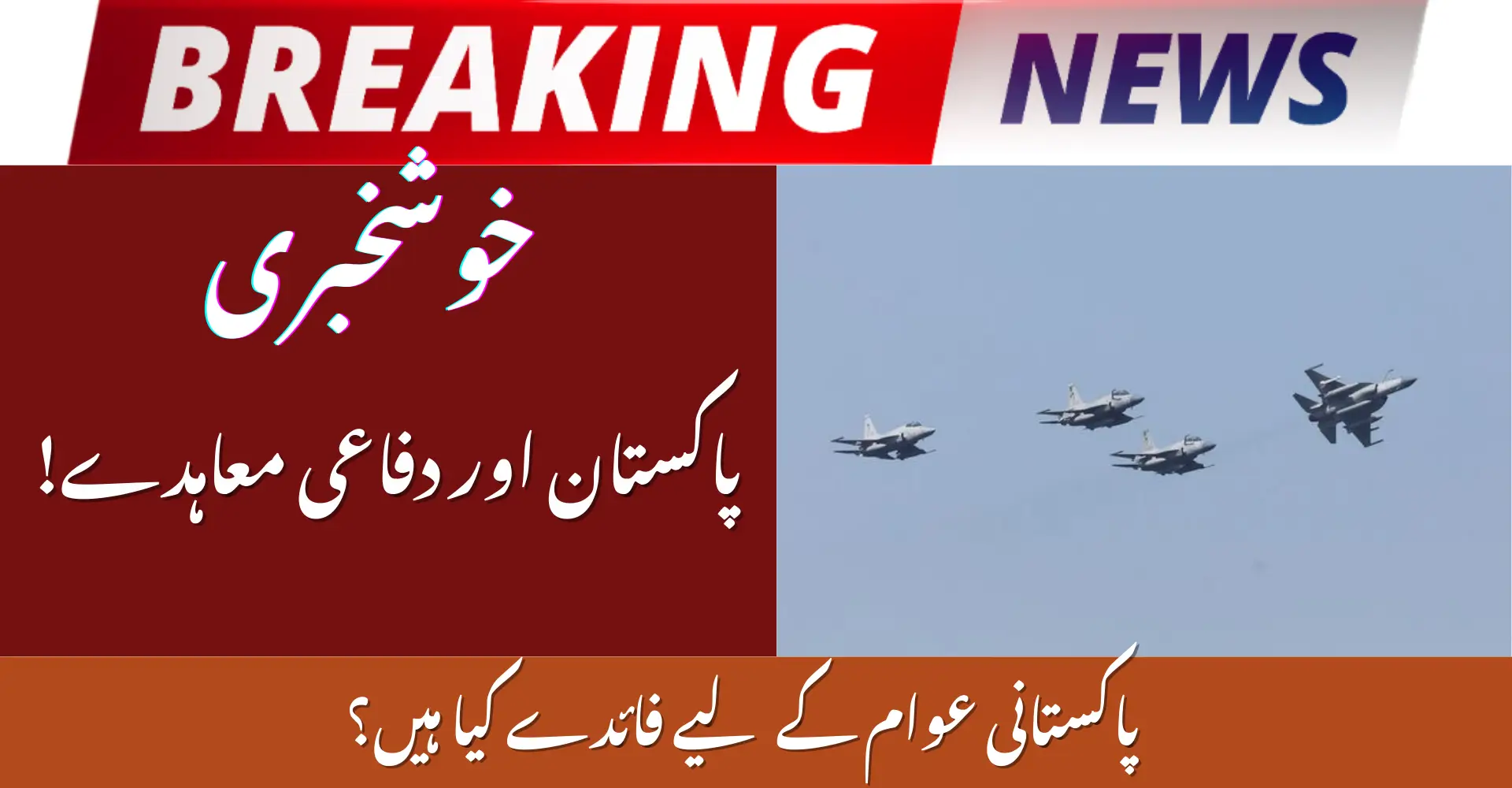
The strongest international interest is in JF-17 Thunder, a 4.5-generation multirole fighter jet.
Countries Showing Interest
Over time, interest has come from:
- Iran
- Sri Lanka
- Zimbabwe
- Algeria
- Ethiopia
- Argentina
- Uzbekistan
Current Operators
| Country | Role |
|---|---|
| Myanmar | First Block II buyer |
| Nigeria | Counterinsurgency missions |
| Azerbaijan | Largest deal worth $1.6B |
The aircraft’s low cost, modern avionics, and combat reliability make it attractive to emerging air forces.
Institutions Powering Pakistan’s Defence Exports
Several national institutions are responsible for executing these exports.
Key Defence Manufacturers
- Pakistan Aeronautical Complex
- Pakistan Ordnance Factories
- Heavy Industries Taxila
- Karachi Shipyard and Engineering Works
These facilities already support domestic defence needs.
Exports allow economies of scale, lowering per-unit costs.
Active Defence Negotiations (2026)
The report identifies several high-value negotiations currently underway.

Major Negotiation Pipeline
| Country | Estimated Value | Equipment |
|---|---|---|
| Saudi Arabia | $6B | JF-17 jets |
| Libya | $4B | Jets, tanks, vessels |
| Azerbaijan | $1.6B | Block III jets |
| Sudan | $1.5B | Drones, K-8, air defence |
| Bangladesh | TBD | JF-17, Super Mushshak |
These are government-to-government discussions, reducing default risk.
Pakistan–Saudi Defence Agreement: A Strategic Shift
The Strategic Mutual Defence Agreement signed in September 2025 marked a turning point.
What the Agreement Includes
- Intelligence sharing
- Joint military exercises
- Defence production collaboration
- Capacity building
- Technology transfer
This transformed decades of informal cooperation into a binding security framework.
The agreement also opens doors for Saudi investment into Pakistan’s defence manufacturing ecosystem.
Turkey and Jordan: Expanding the Network
The report notes regional expansion beyond South Asia.
- Turkey has shown interest in joining as a third partner
- Jordan is deepening cooperation after high-level visits
This positions Pakistan within a broader Middle East security architecture.

How Defence Exports Strengthen Pakistan’s Economy
Defence exports offer benefits that traditional exports cannot.
Long-Term Economic Advantages
- Stable dollar inflows
- Skilled job creation
- Technology spillover into civilian sectors
- Reduced trade deficit pressure
Unlike commodities, defence contracts often run 10–20 years, providing predictable earnings.
Risks and Execution Challenges
The report also highlights risks.
Key Variables to Watch
- Geopolitical stability
- Timely execution
- Sanctions exposure
- Supply chain capacity
Execution, not demand, will determine final outcomes.
Why Defence Exports Are a Structural Shift
This is not a short-term boost.
It represents a structural transformation of Pakistan’s export base.
Defence manufacturing combines:

- Foreign policy
- Industrial capability
- Macroeconomic opportunity
Few sectors align all three.
FAQs
How much are Pakistan’s defence deals worth in 2026?
Tracked and potential defence deals are valued at around $13 billion.
Which aircraft leads Pakistan’s defence exports?
The JF-17 Thunder is the most in-demand export product.
Can defence exports really improve Pakistan’s economy?
Yes. They can boost reserves, GDP share, and high-value manufacturing.
Which countries are negotiating defence deals with Pakistan?
Saudi Arabia, Libya, Azerbaijan, Sudan, and Bangladesh are in talks.
What is the biggest upcoming defence deal?
A possible $6 billion JF-17 deal with Saudi Arabia is the largest.
Conclusion
Pakistan’s $13 billion defence export pipeline marks a turning point.
If executed well, it could strengthen reserves, modernize exports, and stabilize the economy after 2026.