Govt Price Lists Fail to Rein in Runaway Market Rates – A Complete Guide 2026. Why do government price lists fail to control market rates despite regular notifications?
In 2026, consumers continue to struggle as official price controls fail to match ground realities, deepening inflationary pressure on household budgets across major cities.

Govt Price Lists vs Market Rates
Government-issued price lists are designed to protect consumers from excessive inflation. However, in reality, these lists have increasingly failed to rein in runaway market rates, particularly for essential food items.
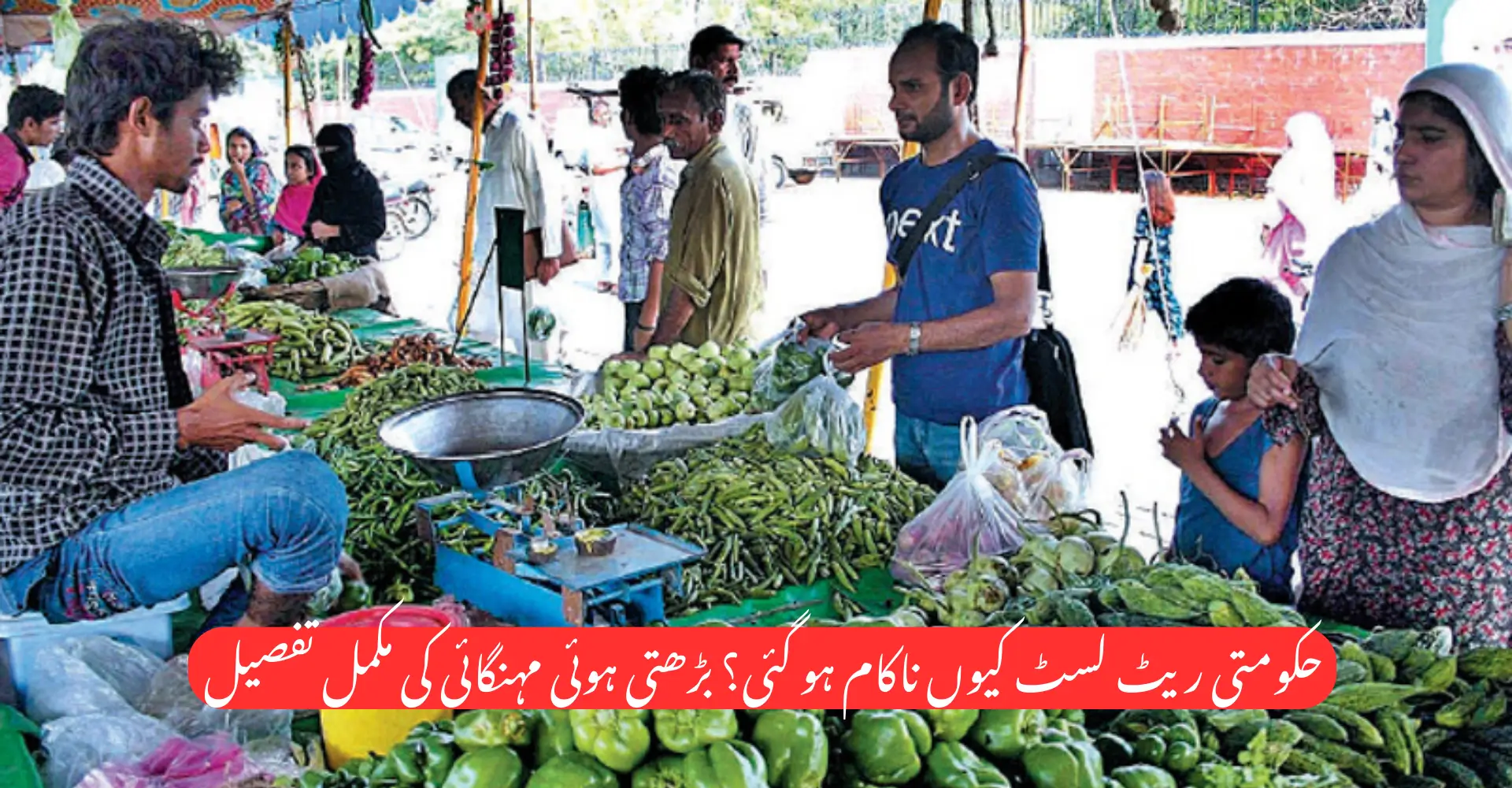
In Lahore and other urban centers, the gap between officially notified prices and actual retail prices has widened significantly, making daily groceries unaffordable for average households.
Key Reasons Behind the Failure of Price Lists
- Weak enforcement by local administrations
- Rising transportation and fuel costs
- Electricity and gas tariff hikes
- Supply chain disruptions
- Retailer non-compliance
Impact of Inflation on Household Purchasing Power
Pakistan’s urban consumers are already facing reduced purchasing power due to:
- High electricity bills
- Increased gas tariffs
- Rising transport fares
- Overall inflationary trends
Even minor increases in vegetable, fruit, and poultry prices now have a compounding effect on monthly household budgets.

Chicken Prices: Official Relief, Market Reality
Chicken remains one of the most consumed protein sources, yet prices continue to defy official controls.
Official vs Market Chicken Prices (2026)
| Item | Official Price (Rs/kg) | Market Price (Rs/kg) |
|---|---|---|
| Live Chicken | 304–318 | 360–420 |
| Chicken Meat | 461 | 550–600 |
| Boneless Chicken | — | 800–1,000 |
Despite a Rs20–29 per kg reduction in official rates, consumers rarely find chicken at notified prices, highlighting enforcement failure.
Vegetable Prices Show Persistent Discrepancies
Vegetable prices present a similar pattern where government rates exist only on paper.
Potatoes, Onions & Tomatoes
- Soft-skin Potatoes
- Official: Rs40–45
- Market: Rs70–100
- Onions
- Official: Rs97–105
- Market: Rs120–140
- Tomatoes
- Official: Rs55–60
- Market: Rs80–120
These price gaps directly contradict government claims of market stabilization.

Garlic and Ginger Prices Continue to Surge
Garlic and ginger staples in Pakistani cooking remain among the most overpriced essentials.
Garlic Price Comparison
| Garlic Type | Official Rate (Rs/kg) | Market Rate (Rs/kg) |
|---|---|---|
| Local Garlic | 142–150 | 200–250 |
| Harani Garlic | 285–300 | ~400 |
| Chinese Garlic | 420–440 | ~600 |
Ginger Prices
Both Thai and Chinese ginger varieties retail between Rs400–500, far above official notifications.
Seasonal Vegetables Offer No Relief
Even seasonal vegetables, typically expected to be affordable, fail to provide relief:
- Cucumbers
- Brinjal (Eggplant)
- Bitter Gourd
- Zucchini
All continue selling well above government-fixed prices, undermining consumer confidence in price control mechanisms.

Fruit Prices Remain Highly Volatile
Fruit prices fluctuate sharply due to supply issues, transportation costs, and weak regulation.
Fruit Price Highlights
- Apples
- Official: Rs200–395
- Market: Up to Rs600
- Bananas, Guavas & Grapes
- Large price gaps across varieties
- Significant difference between wholesale and retail rates
This volatility further increases food insecurity among middle- and lower-income families.
Why Govt Price Lists Fail to Control Market Rates
Lack of Enforcement
Price magistrates rarely conduct regular inspections, allowing retailers to ignore official lists without consequences.
Retailer Cost Pressures
Retailers cite:

- High fuel prices
- Electricity costs
- Storage expenses
- Transport inefficiencies
Supply Chain Inefficiencies
Middlemen inflate prices, making official rates unrealistic.
Economic Implications for 2026
The failure of price lists reflects broader economic challenges:
- Rising inflation
- Weak governance
- Reduced consumer trust
- Increased urban poverty
Without structural reforms, price controls will continue to exist only on paper.
What Can Be Done to Fix the System?
Policy Recommendations
- Digital price monitoring systems
- Daily market inspections
- Transparent wholesale pricing
- Strong penalties for violations
- Improved supply chain logistics
Consumer Awareness
Educated consumers can:

- Report violations
- Support regulated markets
- Demand accountability
FAQs
Why do government price lists fail in Pakistan?
Weak enforcement, rising costs, and supply chain inefficiencies make official price lists ineffective.
Are official food prices realistic?
Often no. Official prices frequently ignore market dynamics, making compliance difficult.
Which food items are most affected by price gaps?
Chicken, vegetables, garlic, ginger, and fruits show the largest discrepancies.
Can price controls reduce inflation?
Only if backed by strong monitoring, enforcement, and supply reforms.
Conclusion
The failure of government price lists to rein in runaway market rates highlights a deeper governance and economic issue. In 2026, consumers continue to bear the burden of inflation while official controls remain largely symbolic.