
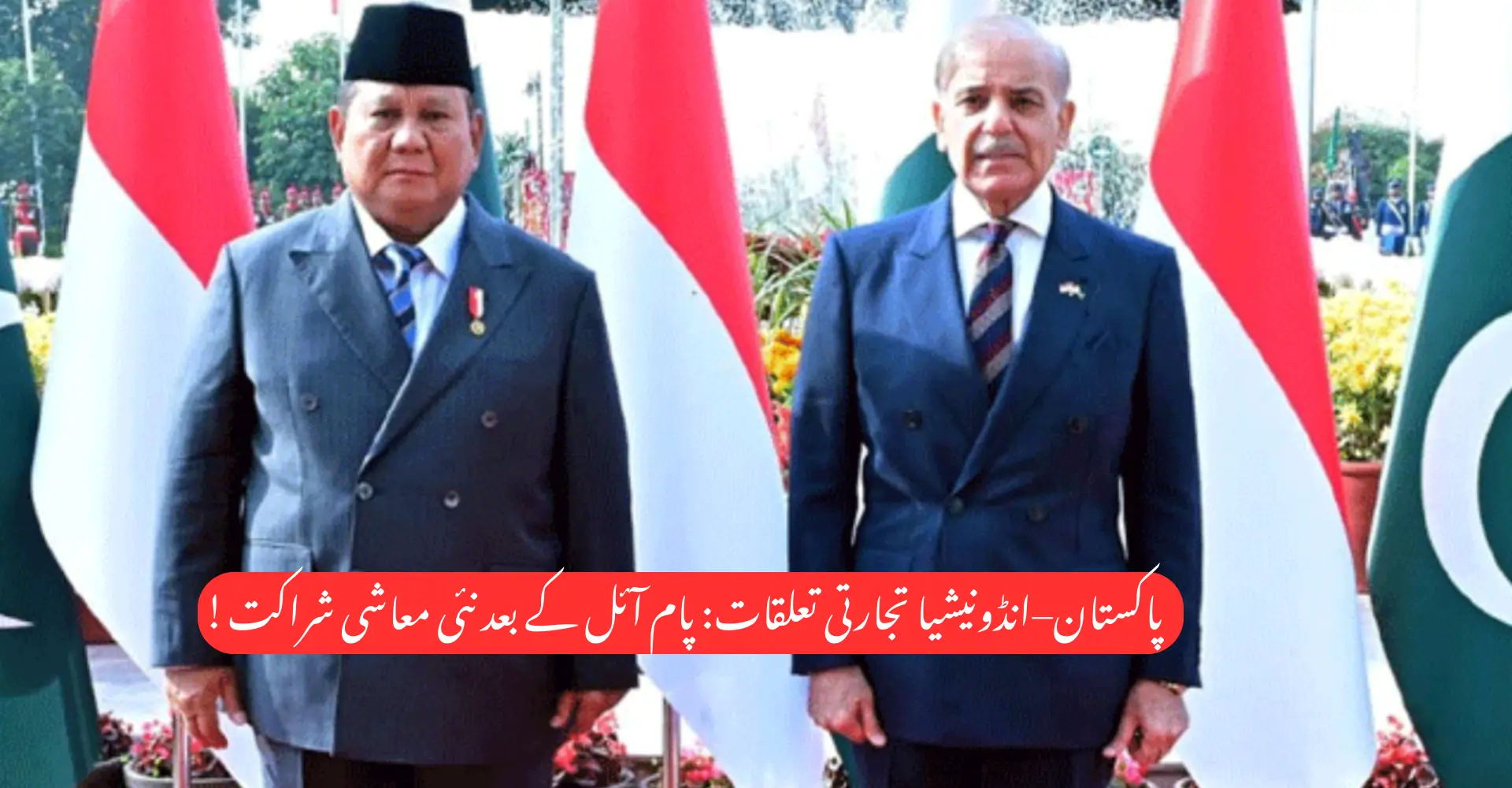
Beyond Palm Oil Pakistan–Indonesia Trade Enters a New Phase in 2026. Is Pakistan–Indonesia trade still just about palm oil? Not anymore.
As we move into 2026, the economic relationship between Pakistan and Indonesia is quietly transforming into a multi-sector, investment-driven partnership, going well beyond traditional commodity trade.

Pakistan–Indonesia Trade Overview: From Commodities to Cooperation
Bilateral trade between Pakistan and Indonesia has long been viewed through a single-commodity lens, but recent data suggests a broader shift is underway.
Key Trade Statistics (2026)
| Indicator | Value |
|---|---|
| Total Bilateral Trade (2025) | USD 4.2 Billion |
| Trade Volume (Jan–Sep 2026) | USD 2.92 Billion |
| YoY Growth | Steady Increase |
| Dominant Export (Indonesia) | Palm Oil |
| Key Pakistani Exports | Textiles, Rice, Surgical Goods |
This consistent growth reflects resilient commodity flows and the gradual entry of non-traditional product lines on both sides.
Palm Oil Still Dominates
Palm oil remains the backbone of Pakistan–Indonesia trade.
Why Palm Oil Matters to Pakistan
- Pakistan is among the world’s largest edible oil importers
- Indonesia is the largest palm oil supplier
- Local food & FMCG industries depend heavily on stable imports
The Indonesian Palm Oil Association has reaffirmed its commitment to Pakistan’s needs through 2026, offering short-term supply certainty.

Hidden Vulnerabilities
Despite assurances, Pakistan remains exposed to:
- Indonesian biodiesel blending mandates
- Temporary export restrictions
- Global commodity price volatility
This makes diversification not just desirable, but strategically necessary.
IP-PTA: Strong Framework, Weak Execution
The Indonesia–Pakistan Preferential Trade Agreement (IP-PTA) provides tariff predictability, but businesses argue it has not evolved with modern trade realities.
Key Gaps in IP-PTA
- Outdated rules of origin
- Limited digital trade facilitation
- Weak SPS & certification alignment
- No meaningful coverage of services or investments
In short: The structure exists, but the system needs modernization.

Export Diversification: Untapped Potential on Both Sides
High-Potential Pakistani Exports to Indonesia
- Textiles & home linen
- Rice & processed foods
- Surgical instruments
- Leather goods
Indonesia’s large consumer-driven economy makes it a strong destination for Pakistan’s value-added exports.
What Indonesia Can Export to Pakistan
- Electronics & home appliances
- Machinery & industrial equipment
- Processed foods
- Investment capital in logistics and refining
This two-way opportunity signals a more balanced trade future.
Business-to-Business Momentum Is Leading the Way
Interestingly, private-sector engagement is moving faster than government frameworks.
Recent Developments
- Trade delegations from Karachi, Lahore & Islamabad
- Sector-specific expos in Jakarta & Surabaya
- SME-focused collaboration via chambers of commerce
Many firms now see:

- Indonesia as Pakistan’s gateway to ASEAN
- Pakistan as Indonesia’s entry point to South & Central Asia
This bottom-up momentum is likely to define Pakistan–Indonesia trade growth beyond 2026.
Real Constraints Holding Trade Back
Despite optimism, challenges remain.
For Pakistani Exporters
- High freight & logistics costs
- Limited Indonesian market intelligence
- Complex non-tariff barriers
For Indonesian Firms
- Pakistan’s currency volatility
- Inconsistent regulatory signals
- Policy uncertainty in import regimes
Addressing these frictions is critical for long-term planning.
Strategic Solutions to Strengthen Bilateral Trade
1. Upgrade IP-PTA to a Full FTA
A modern Free Trade Agreement should include:

- Services & digital trade
- Clear investment protection
- Mutual recognition of standards
2. Secure Long-Term Edible Oil Supply
- Multi-year palm oil contracts
- Dedicated port-side storage
- Local refining joint ventures
3. SME Facilitation Infrastructure
- Bilateral certification centers
- A Pakistan–Indonesia digital trade portal
- Real-time tariff & logistics tools
Electronics: The Next Big Investment Opportunity
Pakistan’s electronics and home appliances market is growing rapidly.
High-Demand Product Segments
- Air conditioners
- Refrigerators
- LED TVs
- Small household appliances
Indonesian manufacturers, already competitive in mid-range electronics, see Pakistan as an ideal manufacturing and assembly hub.
Why This Matters
- Reduced import dependence
- Job creation across value chains
- Stable pricing for middle-income consumers
Electronics manufacturing could become Indonesia’s next major investment pillar in Pakistan.
Strategic Importance Beyond Trade Numbers
For Pakistan:

- Market diversification
- Industrial upgrading
- Regional integration
For Indonesia:
- Access to South Asian consumers
- Downstream commodity investments
- Strategic geopolitical alignment
This partnership now goes beyond trade — into strategy.
Financial Architecture: The Missing Link
Future stability depends on:
- Joint commodity hedging mechanisms
- Blended finance facilities
- Support from regional development banks
These tools can help manage price volatility and investment risks, especially in commodity-linked sectors.
Conclusion
As Pakistan–Indonesia trade enters a new phase in 2026, the focus is clearly shifting beyond palm oil toward diversification, investment, and long-term integration.