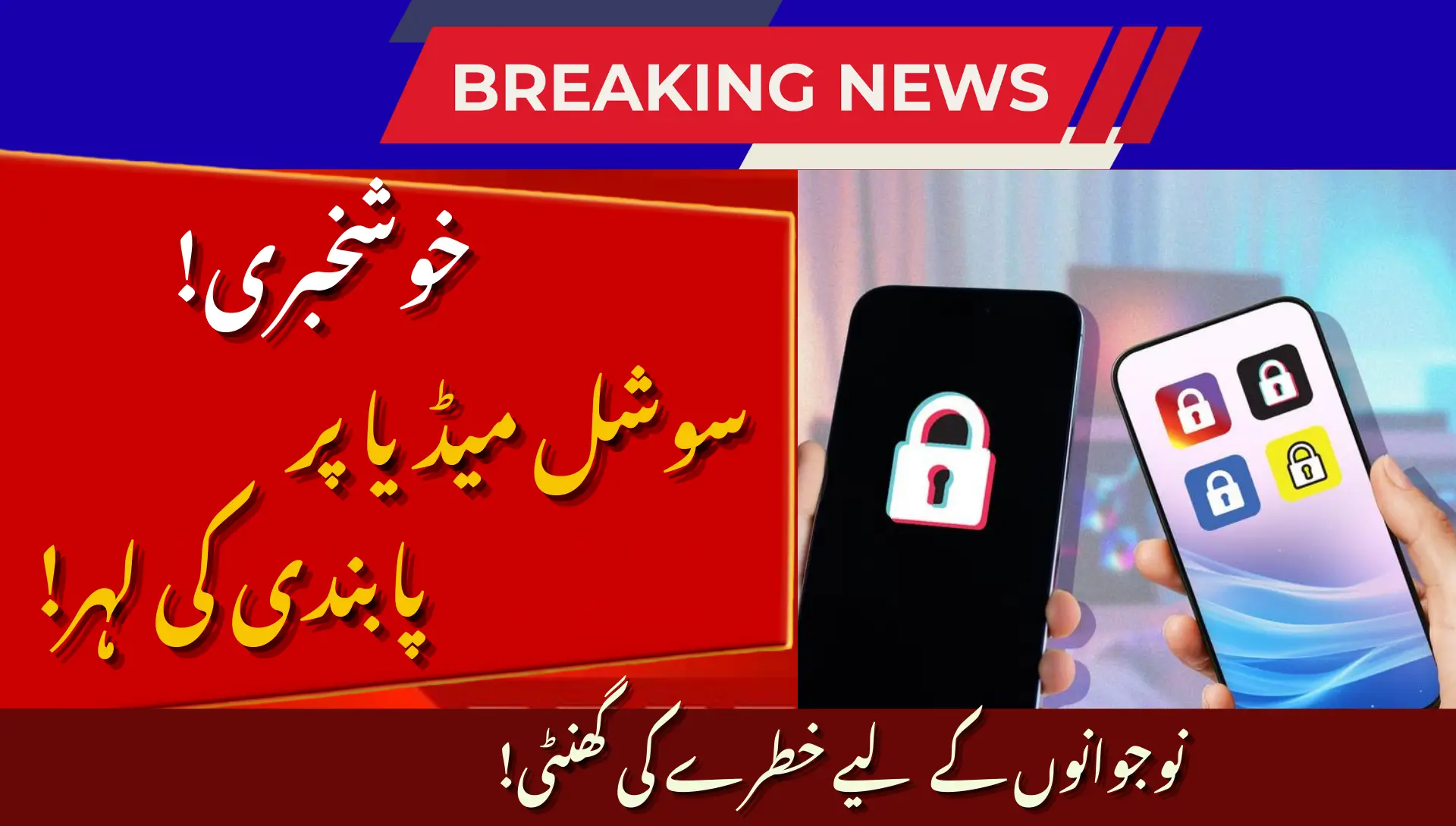
After Australia France Is Also Planning to Ban Social Media. After Australia’s landmark decision, France is also planning to ban social media for children under 15 starting in 2026. The move is raising global debate around child safety, mental health, and digital responsibility. This article explains what France’s proposed ban includes, why it’s happening, and how it could reshape social media laws worldwide.

France’s Social Media Ban Plan
France is preparing a draft law that could fundamentally change how teenagers interact with social media platforms. According to reports cited by The Guardian, the French government plans to submit the bill for legal review and parliamentary debate in early 2026, with enforcement targeted for the September 2026 academic year.
Key Highlights of the Proposed Law
- Children under 15 will be banned from using social media
- Mobile phones prohibited in high schools (ages 15–18)
- Platforms affected include:
- TikTok
- Snapchat
- YouTube
This proposal places France among the first European countries to take such a strict regulatory approach toward youth social media usage.
Why France Is Planning to Ban Social Media for Minors
The French government argues that unchecked access to social media is harming young people both mentally and academically.
Major Risks Identified by French Authorities
1. Mental Health Concerns
Studies referenced by Le Monde link excessive screen time with:
- Anxiety and depression
- Reduced attention span
- Emotional instability
2. Exposure to Harmful Content
Children are increasingly exposed to:

- Inappropriate videos
- Misinformation
- Violent or sexual material
3. Cyberbullying & Online Harassment
Teenagers face rising cases of:
- Online bullying
- Social pressure
- Digital shaming
4. Sleep Disruption
Late-night scrolling affects:
- Sleep quality
- Academic performance
- Physical health
President Emmanuel Macron described unrestricted social media access as “letting a child drive a Formula One car before learning traffic rules.”
Australia vs France: A Global Trend in the Making
France’s proposal closely follows Australia’s world-first social media ban introduced in December, which restricts access for children under 16.
Comparison Table: Australia vs France Social Media Ban
| Feature | Australia | France |
|---|---|---|
| Minimum Age | Under 16 | Under 15 |
| Implementation | December (Already Passed) | September 2026 |
| Mobile Phone School Ban | Partial | Extended to High Schools |
| Legal Review | Completed | Conseil d’État Review Pending |
This comparison shows a clear international shift toward stricter digital regulations for minors.

What Role Does the Conseil d’État Play?
Before becoming law, the French draft bill will be reviewed by the Conseil d’État, France’s highest administrative court.
What the Review Covers
- Legal feasibility
- Compatibility with EU digital laws
- Impact on civil liberties
Only after this review will the bill move to parliamentary debate.
How Will the Ban Be Enforced?
One of the biggest challenges is enforcement.
Possible Enforcement Methods
- Mandatory age verification systems
- Parental identity confirmation
- Platform-level compliance rules
- Heavy fines for violations
Tech companies like Meta, Google, and ByteDance may be required to redesign onboarding systems to comply.
Impact on Social Media Companies
This law could significantly affect how platforms operate in Europe.

Expected Changes for Platforms
- Stronger age verification tools
- Region-specific restrictions
- Increased compliance costs
- Reduced teenage user base
For companies reliant on youth engagement, this could impact:
- Advertising revenue
- User growth metrics
- Content strategies
Public & Expert Reactions
Supporters Say
- The ban protects children’s mental health
- Schools will regain focus
- Parents get regulatory backing
Critics Argue
- Age verification threatens privacy
- Teens may use VPNs or fake IDs
- Education, not prohibition, is the solution
Despite criticism, education unions and child psychologists in France largely support the move.
Mobile Phone Ban in High Schools
France already bans phones in primary and middle schools. The new proposal extends restrictions to high schools.
Why This Matters
- Reduces classroom distractions
- Improves social interaction
- Encourages focus and discipline
Education unions are currently reviewing this aspect of the bill.
Global Implications: Could Other Countries Follow?
If France successfully implements the ban, it may influence:

- EU-wide regulations
- UK digital safety laws
- Asian and Middle Eastern policy reforms
Countries watching closely include:
- Germany
- Canada
- Japan
- South Korea
This could mark the beginning of global age-based social media regulation.
FAQs
Is France banning social media for children in 2026?
Yes, France plans to ban social media for children under 15 starting from September 2026, pending legal approval.
Which platforms will be affected by France’s social media ban?
Platforms like Facebook, Instagram, TikTok, Snapchat, and YouTube will be included.
Why is France banning social media for teenagers?
The ban aims to protect children from mental health risks, cyberbullying, sleep disruption, and harmful content.

Did Australia ban social media before France?
Yes, Australia introduced a similar ban for children under 16, making it the first country to do so.
Will mobile phones be banned in French high schools?
Yes, the draft bill proposes banning mobile phones for students aged 15–18 in high schools.
Conclusion
After Australia, France’s plan to ban social media for children under 15 by 2026 signals a major global shift in how governments view digital safety. With mental health, education, and child protection at the core, this move could redefine social media access worldwide.