
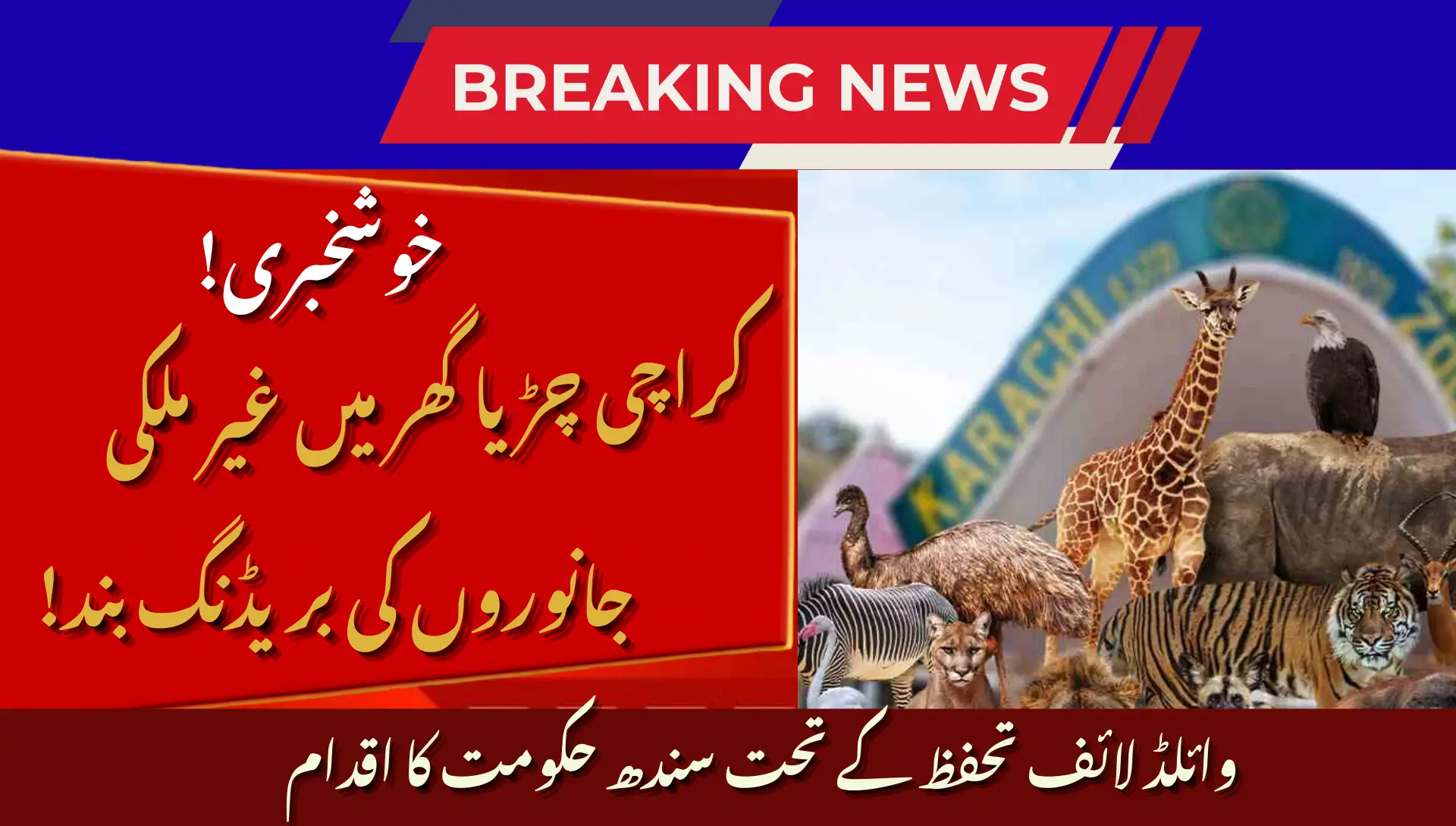
Sindh Orders Karachi Zoo to Stop Breeding of Exotic Animals Policy For 2026. The Sindh government has officially ordered Karachi Zoo to stop breeding exotic animals, especially lions and other big cats. This 2026 decision highlights growing concerns around animal welfare, overcrowding, and responsible wildlife management in Pakistan.

Why Sindh Ordered Karachi Zoo to Stop Breeding Exotic Animals
The directive was issued by Sindh Chief Secretary Asif Hyder Shah during a high-level meeting focused on zoo management practices, animal health, and long-term sustainability.
Key Reasons Behind the Decision
Uncontrolled breeding of exotic animals has become a serious issue due to multiple risk factors:
- Limited space inside Karachi Zoo
- Increasing health issues among captive animals
- Public safety concerns
- Lack of long-term care planning
The birth of three lion cubs in 2026 raised alarms about whether the zoo has adequate facilities to manage growing populations of large carnivores.

Focus on Animal Welfare and Ethical Wildlife Management
Commitment of the Sindh Government
According to officials, the Sindh government is committed to:
- Ethical treatment of exotic species
- Humane captivity conditions
- International wildlife conservation standards
The Chief Secretary emphasized that unnecessary captivity and breeding of exotic animals must be discouraged unless supported by scientific conservation goals.
Why Breeding Big Cats Is Risky
Breeding lions, tigers, and other big cats in captivity presents unique challenges:

| Risk Factor | Impact |
|---|---|
| Space Constraints | Stress, aggression, poor health |
| Medical Costs | High long-term care expenses |
| Genetic Issues | Inbreeding risks |
| Safety Threats | Potential danger to visitors & staff |
Instructions Given to Karachi Metropolitan Corporation (KMC)
The Karachi Metropolitan Corporation, which manages Karachi Zoo, received clear and immediate instructions.
Immediate Actions Required
- Halt all breeding of exotic animals
- Consult certified wildlife experts
- Develop a time-bound management plan
- Improve living conditions for existing animals
Expert Consultation Is Mandatory
Sindh officials stressed that qualified wildlife experts must be involved to ensure:
- Humane treatment
- Scientifically appropriate decisions
- Compliance with international zoo standards
Assessment of Existing Exotic Animals at Karachi Zoo
A comprehensive audit of all exotic animals currently housed at the zoo has been ordered.

What the Assessment Includes
- Physical health condition
- Habitat quality
- Dietary needs
- Long-term relocation or care plans
This assessment aims to determine whether Karachi Zoo can responsibly continue to house certain species.
Impact of the Decision on Karachi Zoo
Short-Term Effects
- No new exotic animal births
- Reduced overcrowding
- Improved focus on animal care
Long-Term Implications
The decision may push Karachi Zoo toward a modern conservation-based model, shifting away from entertainment-focused captivity.
Public Safety and Urban Wildlife Concerns
Karachi is a densely populated city, making public safety a critical factor.

Why Urban Zoos Face Higher Risks
- Proximity to residential areas
- Emergency response challenges
- Increased stress levels for animals
Large carnivores like lions require secure enclosures and specialized handling, which many urban zoos struggle to maintain.
Global Trends in Zoo Management (2026 Perspective)
International Best Practices
Globally, leading zoos now focus on:
- Conservation breeding only
- Species survival plans
- Natural habitat simulations
- Animal rehabilitation programs
Countries are increasingly restricting exotic animal breeding unless it supports genuine conservation goals.

How Pakistan Fits Into This Trend
Sindh’s decision aligns Pakistan with global wildlife ethics, signaling progress in environmental governance.
FAQs
Why did Sindh stop exotic animal breeding at Karachi Zoo?
The decision was made to protect animal welfare, prevent overcrowding, and ensure public safety.
Which animals are affected by the ban?
Exotic species, especially lions and other big cats, are primarily affected.
Will Karachi Zoo relocate existing animals?
Authorities are assessing animal health and may relocate animals if needed, based on expert advice.
Is this policy permanent?
While immediate, the policy may evolve depending on future conservation planning.
Conclusion
Sindh’s decision to stop the breeding of exotic animals at Karachi Zoo marks a major shift toward responsible wildlife management. By prioritizing animal welfare, public safety, and international conservation standards, the government is setting a precedent for ethical zoo practices in Pakistan.