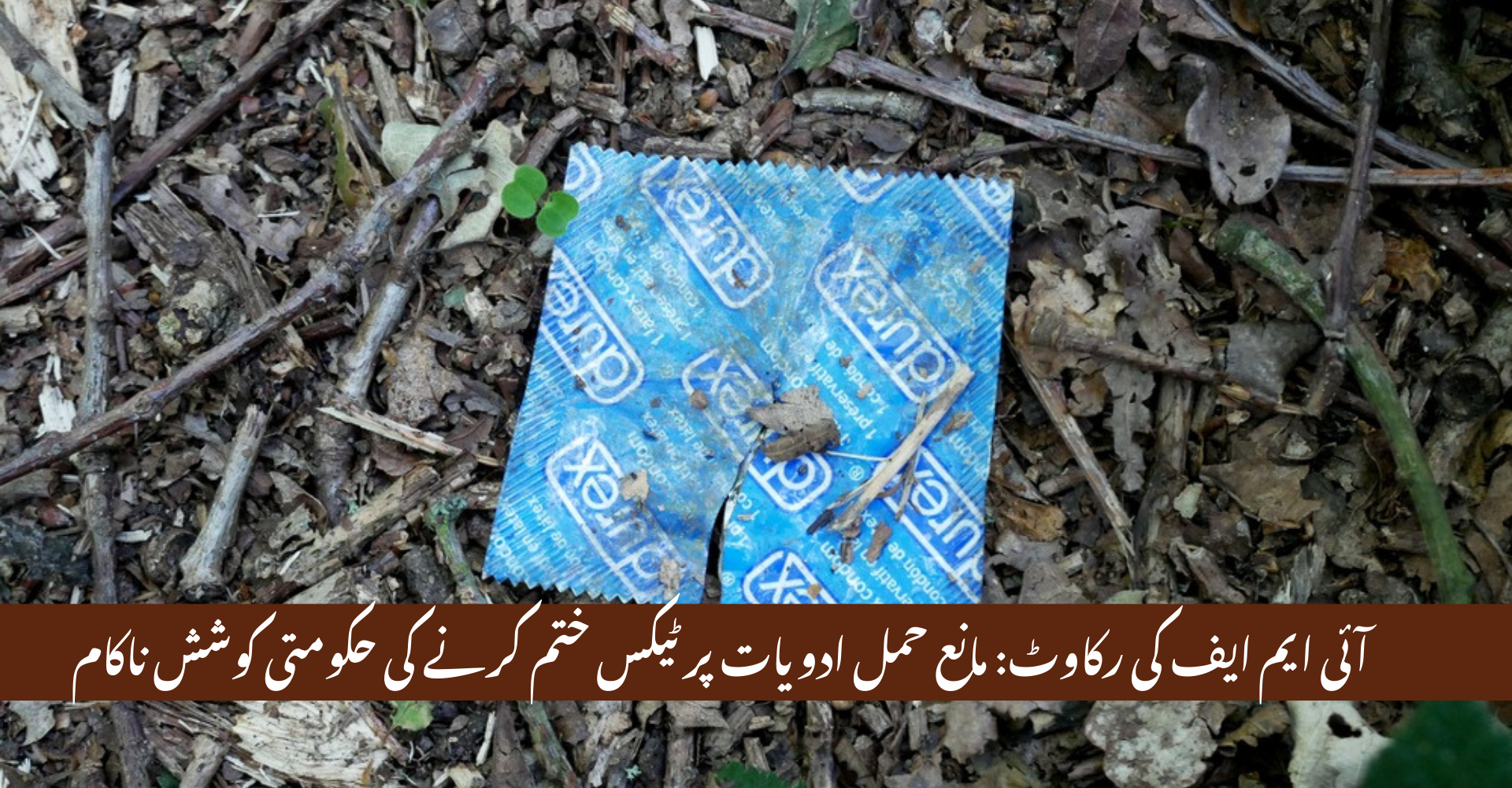
IMF Blocks Pakistan’s Move to Abolish 18% GST on Contraceptives. Pakistan’s attempt to make contraceptives more affordable has faced a major setback in 2026 after the IMF blocked the removal of 18% GST on contraceptives. Despite rising population concerns and government pressure, condoms and birth control products remain expensive, raising serious public health and economic questions.

Why Pakistan Wanted to Remove GST on Contraceptives
Rapid Population Growth Is a National Concern
Pakistan’s population is growing at an alarming 2.55% annual rate, placing immense pressure on:
- Healthcare infrastructure
- Education systems
- Employment opportunities
- Economic sustainability
Family planning experts have long argued that affordable contraceptives are one of the most effective tools to slow population growth.
Prime Minister’s 2026 Directive
In August 2026, Prime Minister Shehbaz Sharif instructed the Federal Board of Revenue (FBR) to engage with the IMF and seek immediate removal of GST on contraceptives to:
- Lower prices of condoms and birth control products
- Improve nationwide access
- Support reproductive health initiatives
IMF’s Rejection: What Actually Happened
IMF Outrightly Refused the Proposal
According to official reports, the IMF “outrightly rejected” Pakistan’s request to abolish the 18% General Sales Tax on contraceptives before the next federal budget cycle.
Despite multiple engagements, including:

- Formal emails to IMF headquarters in Washington, D.C.
- Virtual meetings with IMF fiscal staff
- Presentation of minimal revenue impact estimates
The IMF remained firm.
Revenue Impact vs IMF Targets
| Factor | Details |
|---|---|
| Estimated Revenue Loss | Rs. 400–600 million |
| FBR Revised Target (FY 2026) | Rs. 13.979 trillion |
| IMF Stance | No mid-year tax relief allowed |
IMF officials argued that mid-fiscal-year tax exemptions could derail Pakistan’s already fragile revenue collection targets.
Why IMF Opposed Tax Relief on Contraceptives
1. Fiscal Discipline Comes First
The IMF emphasized that Pakistan is currently under a tight fiscal framework, where even small exemptions can create:
- Budget imbalances
- Precedents for further exemptions
- Weak tax enforcement signals
2. Enforcement & Smuggling Risks
IMF officials warned that selective GST removal could:
- Complicate tax enforcement for FBR
- Encourage misclassification and smuggling
- Open loopholes for tax evasion
3. Slippery Slope Concern
Once contraceptives were exempted, similar demands emerged for:

- Sanitary pads
- Baby diapers
The IMF cited baby diapers alone having a tax base close to Rs. 100 billion, making exemptions fiscally risky.
Impact on Contraceptive Prices in Pakistan
Why Prices Will Stay High
Since the GST remains intact:
- Condoms
- Oral contraceptives
- Birth control devices
will continue to be sold with 18% added tax, making them less affordable for low-income households.
Public Health Implications
Experts warn this decision may lead to:
- Lower contraceptive usage
- Higher unplanned pregnancies
- Increased maternal and infant health risks
Population Growth vs Economic Stability
The Bigger Picture
Pakistan’s population explosion directly affects:

- Inflation
- Unemployment
- Food security
- Climate vulnerability
Affordable family planning tools are widely considered cost-effective long-term investments, yet fiscal pressures continue to dominate policy decisions.
Could GST Removal Happen in the Next Budget?
2026–27 Budget: A Possible Window
The IMF clarified that any tax relief discussion can only occur during the 2026–27 federal budget negotiations.
For approval, Pakistan must demonstrate:
- Stronger revenue performance
- Fiscal discipline
- Clear enforcement mechanisms
Expert Opinions on IMF’s Decision
Economists’ View
Many economists believe the revenue loss was negligible compared to long-term benefits, stating:
“Population control is not a social luxury; it’s an economic necessity.”


Public Health Advocates
Health experts argue that taxing contraceptives contradicts:
- Sustainable Development Goals (SDGs)
- Reproductive rights commitments
- Public health priorities
Comparison: Pakistan vs Other Countries
| Country | Tax on Contraceptives |
|---|---|
| Bangladesh | Zero-rated |
| India | Mostly tax-exempt |
| Sri Lanka | Reduced VAT |
| Pakistan | 18% GST |
This comparison highlights Pakistan’s relatively regressive tax structure on essential health items.
What This Means for Ordinary Pakistanis
- Higher household expenses
- Limited access to family planning
- Increased strain on women’s health
- Greater inequality in reproductive healthcare
FAQs
Why did IMF block Pakistan from removing GST on contraceptives?
IMF cited fiscal discipline, mid-year tax policy restrictions, and revenue target pressures as the main reasons.
How much GST is charged on contraceptives in Pakistan?
Currently, contraceptives are subject to 18% General Sales Tax.
Will contraceptive prices decrease in 2026?
No, prices are expected to remain unchanged until at least the 2026–27 budget.

Did Pakistan estimate revenue loss from GST removal?
Yes, the FBR estimated a loss of Rs. 400–600 million, which IMF still considered unacceptable.
Are other essential items taxed similarly?
Yes, items like baby diapers and sanitary pads also face GST, with no relief approved yet.
Conclusion
The IMF’s decision to block Pakistan’s move to abolish 18% GST on contraceptives in 2026 highlights the ongoing clash between fiscal discipline and social policy. While the government recognizes the urgency of population control, economic constraints continue to dominate decision-making.